
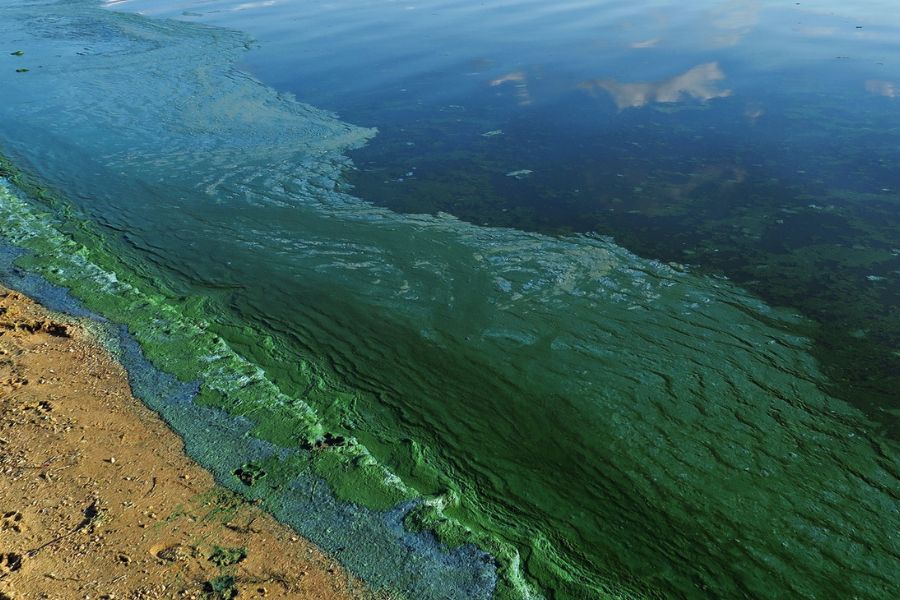
You’ve probably come across headlines or friendly warnings about *blue-green algae* in BC lakes last summer. From local vets to regional health authorities, concerns have been growing around this not-so-pretty bloom that surfaces when the weather heats up—especially where pets are involved. With another warm season on the way, it’s worth knowing exactly what to watch for — because for dogs especially, these blooms can turn a fun afternoon at the lake into a medical emergency fast.
At Paw’ty Waggin’, we’re all about outdoor fun and dog-friendly adventures, but sometimes even the splashiest summer days come with a side of caution. If you’re planning lake dips, paddleboarding sessions, or trailside swims with your pup, this is the blog to read before you leash up and head out.
What Is Blue-Green Algae, Anyway?
Blue-green algae, also known as cyanobacteria, is a naturally occurring bacterium found in freshwater. It tends to thrive during summer in still, warm lakes and ponds, and when conditions are just right, the bacteria multiply into thick “blooms” that spread across the water’s surface.
You’ve probably seen one at some point: it might look like spilled paint, pea soup, greenish scum, or oily foam creeping along the edges of a lake. While not every bloom is toxic, there’s no way to tell just by looking—, and that’s where the real risk lies.
Some types of algae release toxins that are extremely harmful to humans, wildlife, and especially pets.
Why It’s a Big Deal for Our Four-Legged Friends
When we say toxic, we’re not exaggerating. Every summer, we hear about dogs getting sick— or worse—after being exposed to blue-green algae. Most often, dogs are affected after swimming in contaminated water, drinking from it, or even just licking their fur afterward during a post-lake nap.
In 2025, BC veterinarians reported several suspected cases linked to algae exposure. It’s not just hypothetical: reported bloom locations in the 2025 season include:
- Nicola Lake in the Interior
- Elk/Beaver Lake in Saanich on Vancouver Island
- Lost Lagoon in Vancouver’s Stanley Park.
While Cultus Lake hasn’t made the recent list, locals will remember previous blooms reported there in 2022—a reminder that even popular, well-frequented lakes aren’t immune.
Symptoms can come on quickly. These may include:
- Excessive drooling
- Vomiting or diarrhea
- Difficulty walking or weakness- Seizures
- Lethargy or unresponsiveness
In severe cases, toxins can affect the liver or nervous system. This can, tragically, lead to death if not treated quickly.
6 Simple Ways to Stay Safe While Still Enjoying the Water
Here’s the good news: you can still enjoy your favourite lake days—just be proactive and wise about where (and how) your pup plays in the water. Oh, and don’t worry—we’re not suggesting you cancel your paddleboarding adventures with your four-legged co-pilot! You just need to keep that splash safe.
Here are some tips you’ll want to save:
1. Check Local Advisories Before You Go: Always take a quick peek at BC’s Water Quality Advisories, Algae Watch Observation Map or local municipal websites before you pack up the car.
2. Avoid Water That Looks Suspicious: If you see colourful film, floating scum, or if it smells off—skip it. It’s just not worth the risk, no matter how enthusiastic your pup is.
3. Keep Dogs Leashed Near Shorelines: Especially if you’re unsure about the water or at a new-to-you beach. Curious noses and tongues can find trouble in seconds.
4. Pack Your Own H2O: Always bring clean, fresh water from home—and a collapsible bowl—for your pup to drink. That way, they won’t be tempted to sip from the lake while you’re loading the kayak.
5. Rinse Off After Swims
Even if there’s no advisory posted, a freshwater rinse with a hose or jug afterwards helps keep their coat—and your peace of mind—clean.
6. Know the Emergency Signs
If your dog starts vomiting, drooling, stumbling, or showing sudden fatigue after being around water, don’t wait it out. Contact your vet immediately and let them know algae exposure is possible.
Want to Help? Join the Algae Watch Network!
Here’s something cool: you can actually take part in protecting our lakes and fellow pet lovers across BC. If you spot what you think could be a blue-green algae bloom, you can submit an observation—picture or sample—directly to BC’s Algae Watch program. This helps inform official water advisories and keeps the community safe. Your heads-up could make a big difference.
Pretty neat, right?
Soak Up Summer—Safely!
Summer’s just getting started, and whether you’re heading to the Interior for a lakefront camping trip, ferrying off to the Island, or planning a whole season of dog-friendly paddling, a little know-how now means your lakeside adventures end in wagging tails — not vet visits.
And hey—if your idea of summer fun includes a paddleboard, a lazy lake float, and a wet, grinning dog riding shotgun—we’re right there with you. Just remember to stay alert for signs near lakes, double-check advisories before you go, and trust your instincts when the water doesn’t look quite right.
At Paw’ty Waggin’, we’re all about helping pets (and their people) enjoy BC’s best with confidence. Whether you’re hiking, paddling, road tripping, or just strolling near the water, a little knowledge goes a long way in keeping your pets safe, healthy and happy.
Here’s to a splashy, joyful, and safe summer.
Stay wagging, stay curious, and enjoy the ride,
– The Paw’ty Waggin’ Crew
❗ *Important note: Always consult BC’s up-to-date water safety and algae advisories before travelling to or swimming in local lakes. Conditions can change quickly based on temperature and water movement.*

The Paw’ty Waggin’ Crew is the collective voice of this blog for Paw’ty Waggin, an Indigenous-owned pet care company proudly serving the Fraser Valley and surrounding Fraser Valley communities. This article was developed as a collaborative team-building project following a recent local fatality that brought renewed attention to the very real risks posed by blue-green algae in BC waterways. Drawing on shared field experience, regional advisories, and community conversations, the team worked together to turn concern into education.
Grounded in community care, respect for the land and water, and a commitment to pet safety, the crew aims to provide timely, practical guidance to help BC pet parents make informed decisions during the summer months.
Author: The Paw’ty Waggin’ Crew
Premium pet taxi, dog walking, and home check-in services serving the Lower Mainland.